Wire mesh knowledge

Wire Mesh Knowledge Guide

Understand the key factors that define wire cloth and hardware cloth — wire diameter, mesh opening and count, material grade, surface treatment and weave type — so you can specify the right mesh for filtration, sieving, fencing or protection.

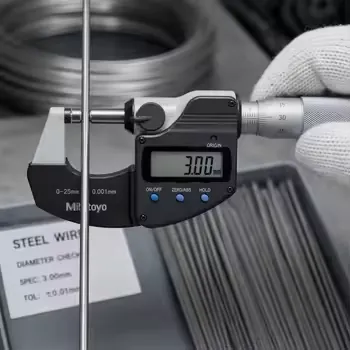
Digital micrometer measuring stainless steel wire diameter

Wire Diameter

Wire diameter (gauge) controls both strength and opening size. Thicker wires give a sturdier grid with higher tensile strength, while thinner wires leave more open area for flow. We supply wire diameters from 0.07 mm to 12.0 mm to match your filtration, sieving or fencing requirement.
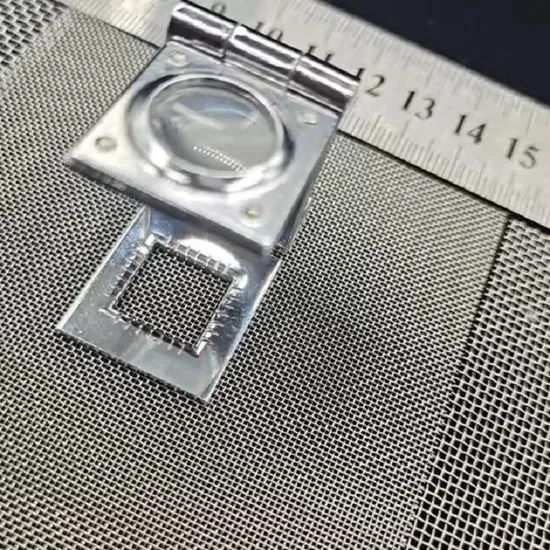
Magnifying mesh ruler measuring square openings in woven wire cloth

Mesh Opening & Mesh Count

Mesh opening (aperture) is the clear space between adjacent wires, and mesh count is the number of openings per linear inch. Together with wire diameter they determine particle retention and flow rate. A higher count means smaller openings; larger openings suit coarse sieving and debris screening.

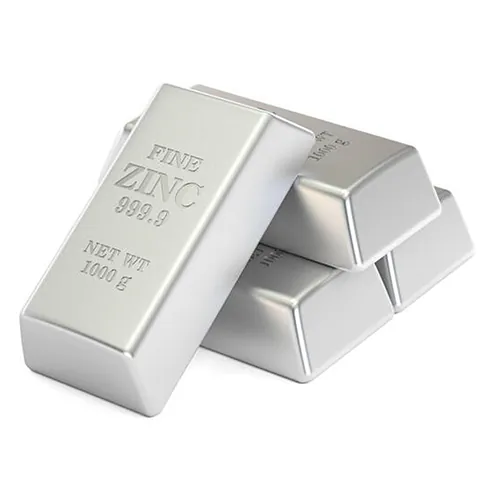
Fine zinc ingots used for galvanizing steel wire mesh

Galvanized Material

Galvanized cloth is made from low-carbon steel wire coated with zinc to resist rust in outdoor and humid conditions. It is a cost-effective choice for cages, fencing, poultry netting and general protection, available galvanized before or after welding.

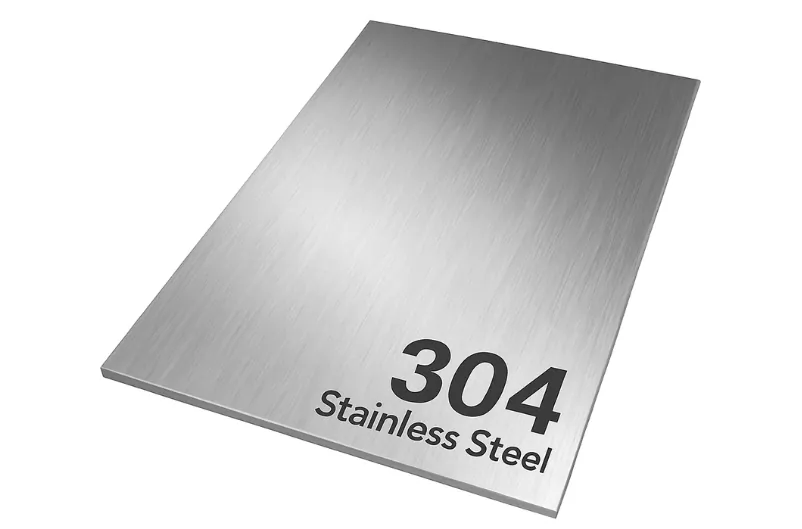
304 stainless steel sheet with brushed finish

Stainless Steel Material

Stainless steel wire cloth offers excellent corrosion and heat resistance for demanding environments. Grades SS304 and SS316 / 316L resist acids, moisture and high temperatures, making them suitable for food, chemical, pharmaceutical and precision filtration applications.

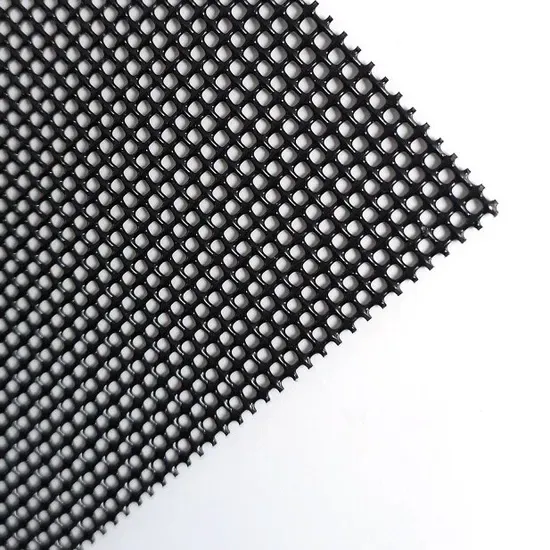
Black PVC coated welded wire mesh close up

Surface Treatment

Surface treatment extends service life and protects the steel. Options include zinc galvanizing for basic rust protection and PVC / plastic coating for extra insulation, weather resistance and smoother handling, used widely in fencing and outdoor mesh.

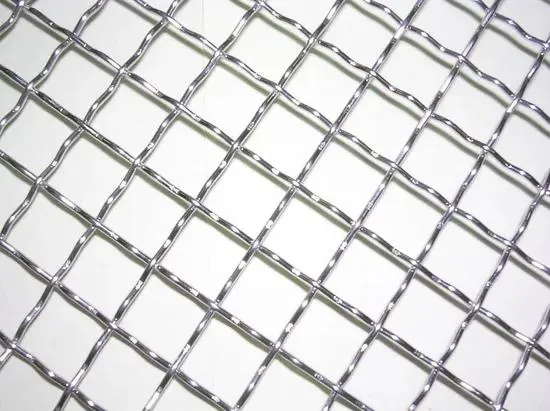
Plain weave stainless steel wire mesh close up

Weave Type

Weave pattern defines the mesh's stability and permeability. Plain weave is balanced and easy to specify; twill weave handles heavier wires with good rigidity; dutch weave produces finer, denser openings for fine filtration and high-precision screening.